How Age Metrics Are Filtered
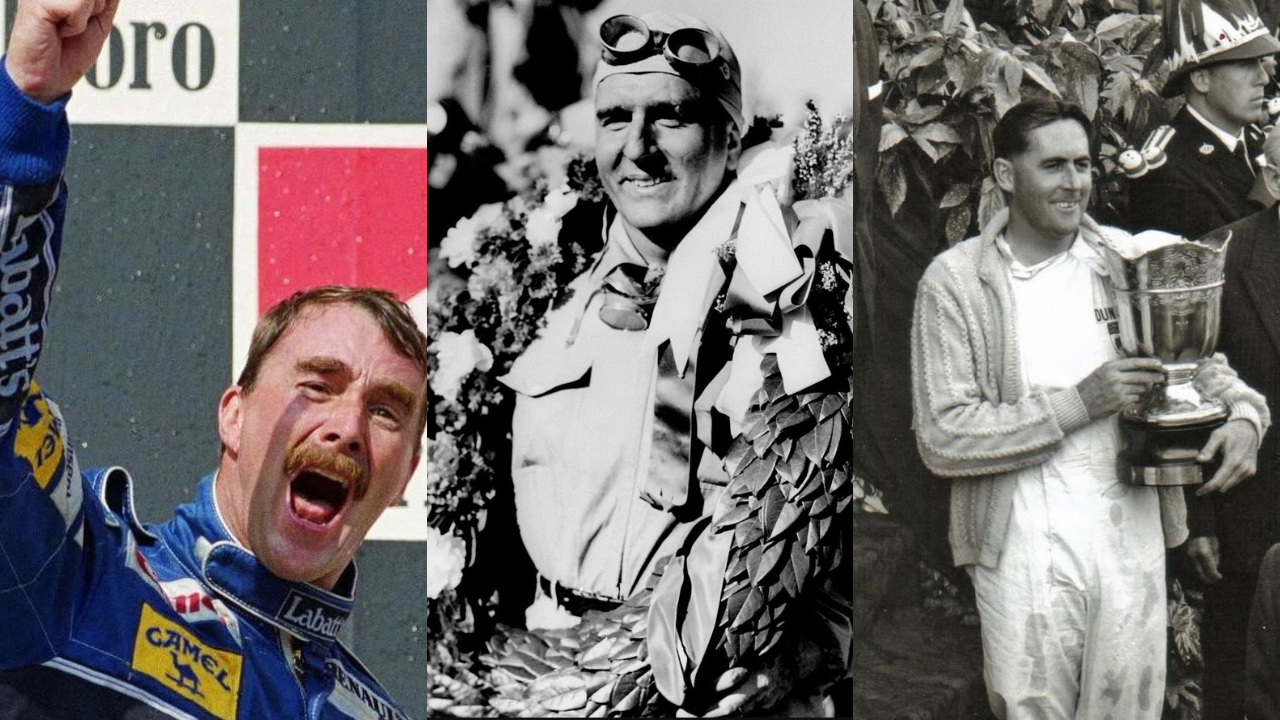
Ranking lists that catalog driver ages require careful definition before drawing conclusions about athletic longevity. In official historical tallies, the metric tracks a driver at the specific date their final title was secured rather than recording every individual championship campaign across a career. Juan Manuel Fangio, Giuseppe Farina, and Jack Brabham all captured titles in their 40s, while Graham Hill and Nigel Mansell reached the summit at age 39.
Evaluating the Top 5 oldest F1 world champions highlights how strict data parameters shape historical comparisons. For drivers who earned multiple crowns, including only their concluding success prevents repeat appearances from crowding the ranking, which is why Fangio appears solely for his 1957 triumph at 46 years and 41 days despite winning all five of his titles while in his 40s.
Contextual Limits of Age Records
A ranking based on driver age at the moment of championship victory does not measure isolated physical capability across different decades. The record simply reflects when specific individuals mathematically clinched their titles, ranging from Farina in the inaugural 1950 season to Mansell in 1992. Differences in era-specific machinery, calendar lengths, and career entry points mean these numbers capture historical milestone markers rather than uniform athletic baselines.
Official reference: Formula 1’s historical ranking.

No comments:
Post a Comment