Session Position Versus True Outright Pace
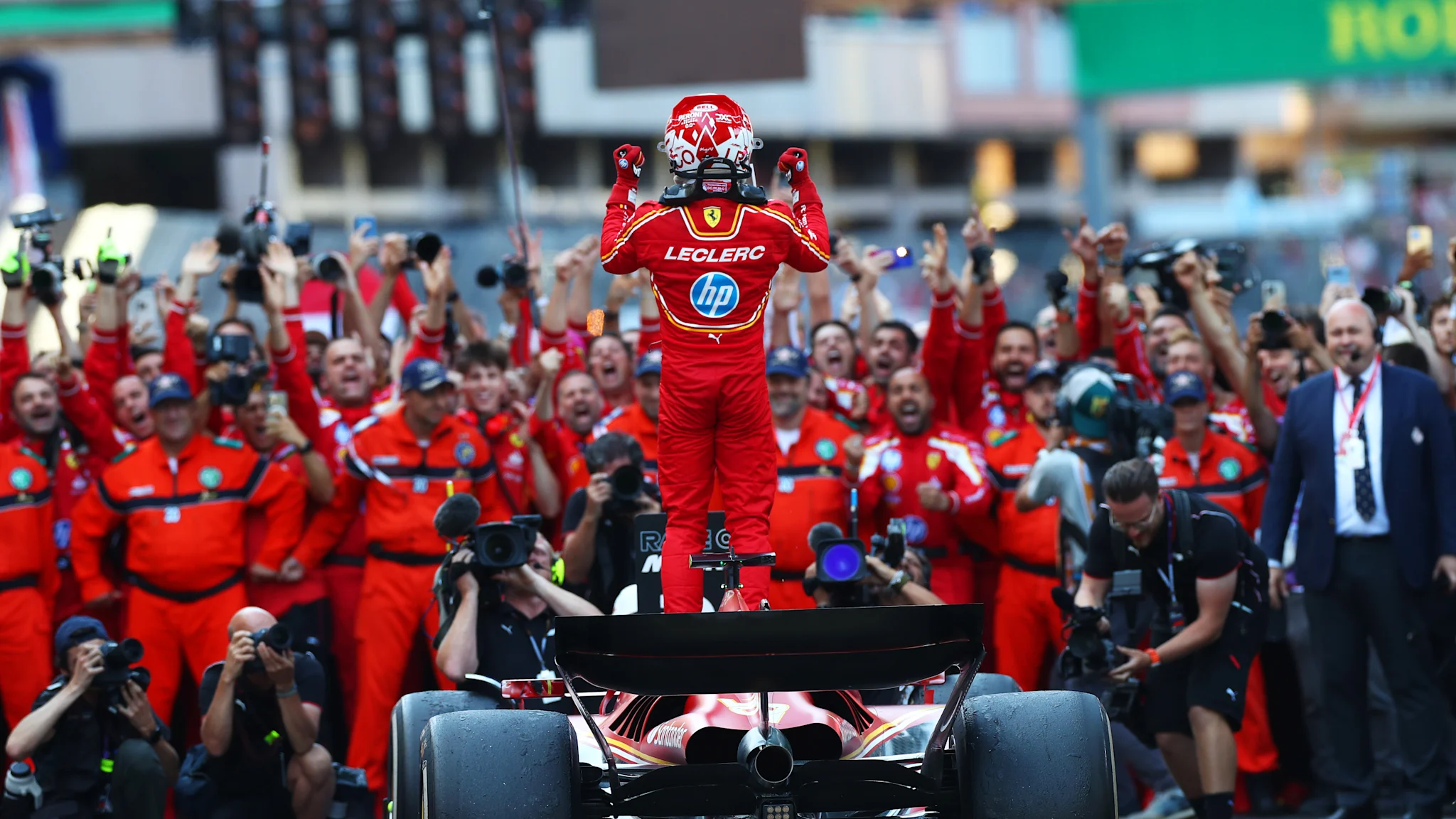
Practice timing sheets provide immediate headlines, but translating single-lap classifications into a definitive ranking of machinery requires caution. In opening practice for the 2026 event at Circuit of the Americas, the classified outcome for the United States GP: Leclerc leading with a 1:36.052 ahead of Max Verstappen's 1:36.136 was decided by rule enforcement rather than pure potential. Verstappen produced a quicker overall lap time that was expunged for exceeding track limits at Turn 19, leaving Leclerc on top by 0.084 seconds. Looking strictly at the retained leaderboard conceals that another car had already demonstrated a higher single-lap ceiling on track.
Offset Programs and Tyre Run Plans
Direct comparisons between cars are further clouded by divergent test schedules and run sequences across the hour. Initial runs saw Ferrari and McLaren circulate on medium tyres while Red Bull and Mercedes carried hard compounds, making the early delta unrepresentative of single-lap parity. Although the leading contenders later transitioned to soft-tyre qualifying simulations, subsequent run plans shifted toward high-fuel assessments, where cars run with heavier payloads that significantly depress lap times. Even small driver compromises, such as Lewis Hamilton sliding wide onto a dusty surface during his primary soft-tyre push, mean recorded times reflect execution anomalies rather than absolute limits.
Test Packages Versus Baseline Performance
Isolating aerodynamic efficiency from a Friday practice table is equally problematic without controlled instrumentation. Ferrari assessed modifications to its floor, sidepods, and diffuser during the session, yet standard timing splits cannot reveal how much lap time derived from the upgrade package versus baseline mechanical setup. Meanwhile, outfits such as Audi and Cadillac committed early track time to running large aerodynamic rakes to log airflow correlations, while Cadillac ran reserve driver Colton Herta in place of Sergio Perez. Because teams spend opening sessions balancing experimental sensors, setup adjustments, and race-fuel runs, the headline order demonstrates who executed a clean, legal lap rather than establishing an unassailable car hierarchy.
Official reference: Formula1.com’s account.