Tracking physical sets versus pit visits
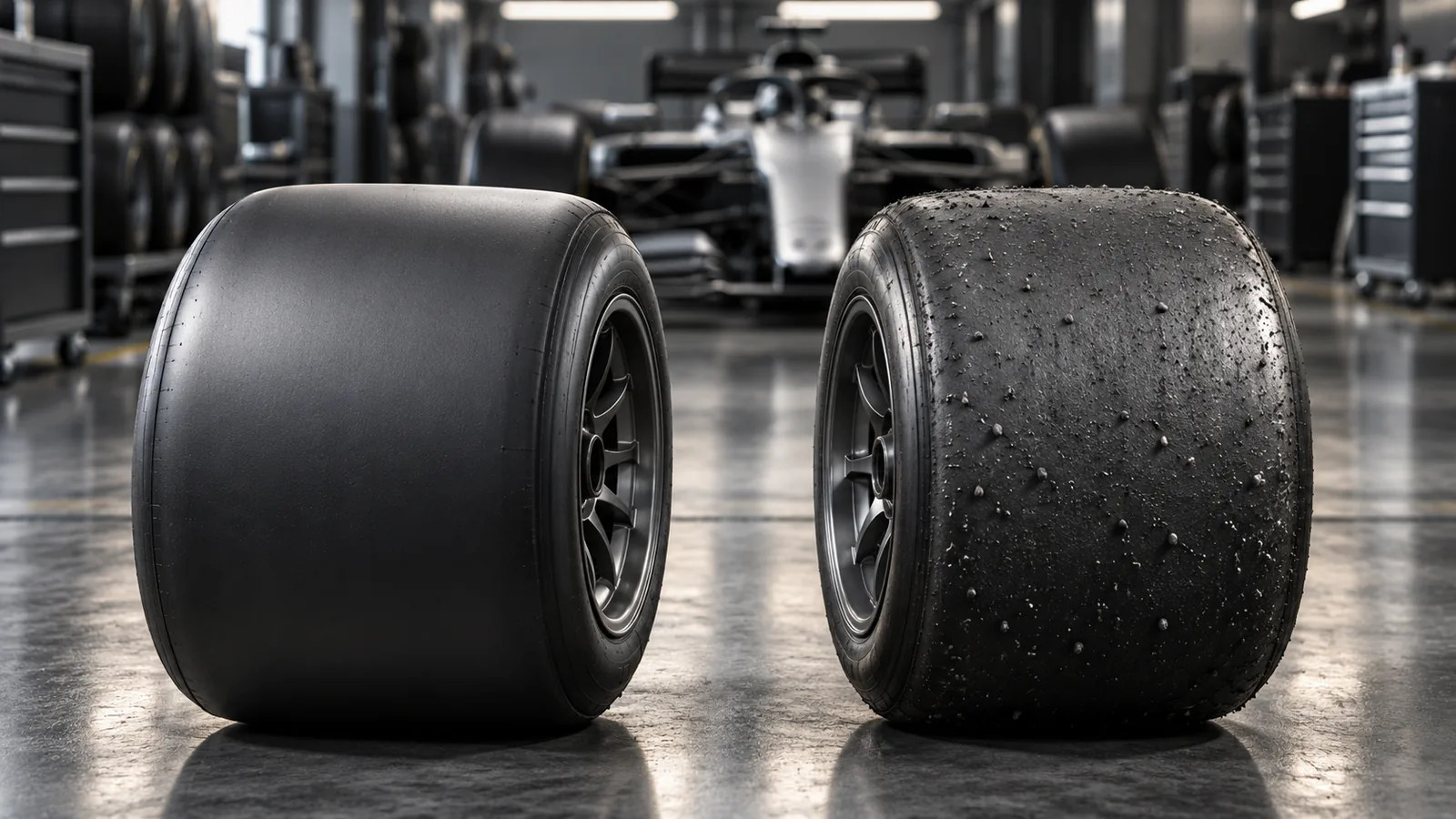
Broadcast timing monitors often present tyre age as a standalone counter, but that number tracks the lifecycle of an individual physical set rather than the start of a driver's newest stint. When understanding why F1 tyre age does not reset after a pit stop, analysts look to the set's prior running across practice, qualifying, or earlier race segments. If an engineer bolts on a scrubbed set that completed three laps in practice, those laps remain attached to the rubber's recorded history even as the car begins lap zero of a fresh stint.
Conflating stint length with total tyre mileage leads to skewed timing evaluations. Stint duration measures the continuous run since leaving the pit box, whereas tyre age captures cumulative track exposure, subject to the counting conventions of specific timing providers.
Distinguishing compound specification from set status
A compound designation such as soft, medium, or hard identifies a general rubber specification, not a unique piece of equipment. An outfit might possess multiple sets of the identical compound across a weekend, each with distinct running histories and heat cycles. Swapping one soft set for another replaces the physical tyre set without altering the compound specification, which remains a distinct regulatory classification under sporting rules.
What mileage metrics can and cannot prove
Laps completed provide a baseline of track exposure, but raw numbers do not dictate an exact grip deficit on any given tour. Grip responds dynamically to track evolution, fuel burn-off, operating temperatures, and surface phenomena like graining, which reflects specific operating conditions rather than immediate, irreversible destruction. An older set brought into its optimal working window may temporarily outperform a newly fitted set that is still warming up, reminding data observers never to treat age as an automatic, fixed pace penalty.
Official reference: 2026 FIA Sporting Regulations, Section B, Issue 09.

No comments:
Post a Comment